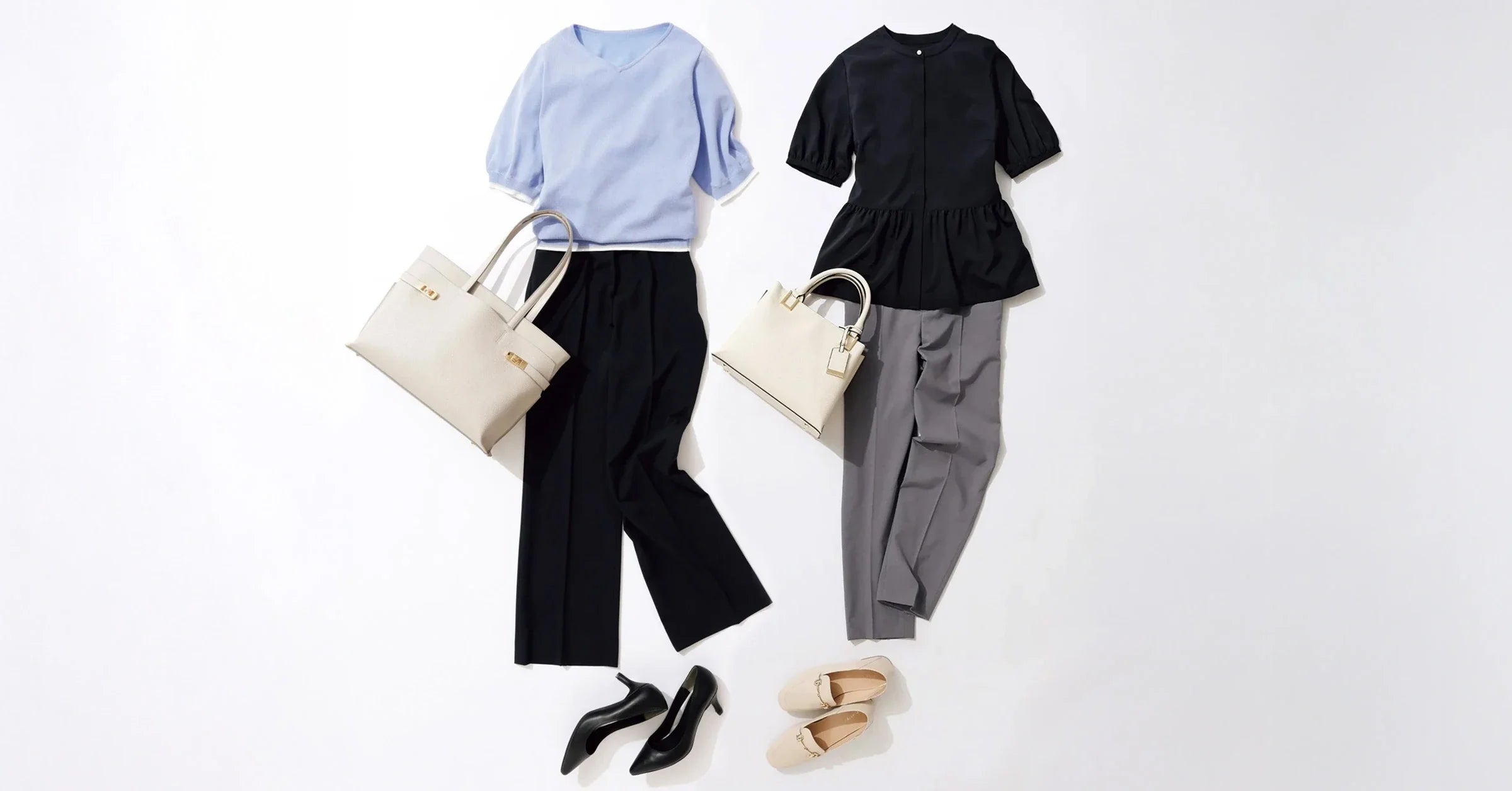
Laundry symbols are important guidelines for proper care of your clothes. By fully understanding what the symbols mean, you can prevent problems like loss of shape and shrinkage, keeping your favorite pieces looking great for a long time.
Japan’s laundry care labels were revised in 2016 to align with international standards (ISO). As a result, symbols that are easily understood worldwide have been adopted to the laundry care labels.
Many people think; ‘I’m not quite sure what these symbols mean’ or ‘I just wash my clothes based on a hunch.’ In this article, we’ll provide a clear explanation of everything, from the basics of laundry care labels to the meanings of each symbol and how to wash different fabrics. Pick up these helpful tips for daily use, you can enjoy your clothes more comfortably and for longer.
Laundry Care Symbols Guide
How to Wash

Washing tub symbols provide instructions.
The 'number' inside the washing tub represents the ‘maximum water temperature’ in Celsius. For example, '40 (or a wash tub symbol with two dots)' means the garment should be washed in water no hotter than 40°C (104°F).
While warm water is generally more effective at removing stains than cold water, you have to be careful with: high temperature water can damage delicate fabrics and trigger color bleeding.
The number of horizontal lines below the bath tub icon indicates the intensity of the wash cycle; The number of horizontal lines underneath the washing tub symbol indicates the intensity of the wash cycle; with more lines signaling a need for a gentler wash.


Bleaching

Bleaching instructions are indicated by a triangular symbol.
This symbol indicates 3 levels: suitable for chlorine bleach, suitable for oxygen (non-chlorine) bleach and not suitable for bleaching.


Drying

Drying methods are indicated by square symbols.
A symbol consisting of a circle inside a square indicates that the item is safe to be dried in a mechanical dryer, which are household front-loading washer-dryer combination and a coin-operated dryers unit at a laundromat. The ‘・’ symbol indicates the temperature level; ‘・・’ means tumble drying is possible with a maximum exhaust temperature of 80°C, and ‘・’ means tumble drying is possible with a maximum exhaust temperature of 60°C.


The symbol combining a square and line indicates the method of air drying. There are 3 types of air drying: hanging, laying flat and wet drying. Additionally, a square with a diagonal line in the upper-left corner, the symbol indicates that dry in the shade.
- Hanging: Hang on a clothesline or similar support.
- Flat drying: Spread out the item on a flat surface.
- Wet drying: Dry without using a washing machine spin cycle or manual wringing by hand.


Ironing

Ironing instructions are indicated by symbols that are shaped like an iron.
The maximum soleplate temperature is indicated by the number of ‘・(dots)’ inside the iron symbol; with more dots, represents the higher the maximum temperature.


Cleaning Symbols

Cleaning methods are indicated by a combination of a circle and a letter denoting the type of cleaning solvent.
Cleaning methods include ‘P’ and ‘F’ for dry cleaning and ‘W’ for wet cleaning.


Fabric-Specific Washing Guide
Suit

Since suits tend to lose their shape easily, regular maintenance matters and avoids frequent washing.
- After wearing, brush off any dust.
- At Home washing is permitted if the care label indicates ‘washable’.
When washing at home, put the suit in a laundry net, wash on a gentle cycle and spin-dry for a short time. When drying, use a thick hanger, reshape the suit and dry it in the shade. With a washable suit, you can easily care for it at home and keep it looking fresh.
Shirt

Since shirts come into direct contact with your skin, they need to be washed frequently.
- Button the shirt and place it in a laundry net.
- Spot-clean the ring-around-the-collar and cuff stains.
- Spin-dry briefly to prevent deep wrinkles.
When drying, reshape the shirt and hang it on a hanger to significantly reduce ironing.
By choosing non-iron, easy-care shirts, you can maintain a professional appearance with minimal effort, even during your busy daily routine.
Knitwear

Knitwear is a delicate fabric which shrinks and loses its shape easily.
- Check the care label to see if hand washing is permitted.
- Use a mild detergent and gentle hand washing the fabric while washing.
- For drying, blot excess water with a towel and spin-dry briefly in the washing machine.
When drying, it’s best to lay the garment flat rather than hang it on a hanger. This helps prevent the garment from stretching and losing shape. Machine-washable knitwear is easy to care for and highly recommended for everyday wear.
Pants

Since pants tend to lose their shape easily, how you wash and dry maintain determines their shape.
- To turn pants inside out before washing to prevent color fading and avoid damage.
- Protect the center crease by placing the pants in a laundry net.
When drying, hang it with the waistband facing up or fold to prevent wrinkles and ensures an appearance.
Stretch fabrics and easy-care pants are designed to resist wrinkles and are easy to maintain.